For many Aussies, public holidays are a good excuse to take the day off work and kick back at the beach. However, some core industries continue to operate throughout the whole year.
If you work in one of these sectors, it’s important to understand when these public holidays land and the different pay and entitlements that can apply.
In this article, we’ve got the rundown on national, state and territory public holidays as well as everything you need to know about pay rates, employee entitlements and special rules for Australian public holidays.
Australia public holidays 2026
There are 9 national public holidays in Australia in 2026. In addition to these dates, each state or territory has its own declared holidays such as regional show day holidays.
National public holidays 2026
- Thursday 1 January: New Year's Day
- Monday 26 January: Australia Day
- Friday 3 April: Good Friday
- Saturday 4 April: Easter Saturday
- Sunday 5 April: Easter Sunday
- Monday 6 April: Easter Monday
- Saturday 25 April: Anzac Day
- Friday 25 December: Christmas Day
- Saturday 26 December: Boxing Day
Australian Capital Territory
- Monday 9 March: Canberra Day
- Monday 27 April: Additional public holiday for Anzac Day
- Monday 1 June: Reconciliation Day
- Monday 8 June: King’s Birthday
- Monday 5 October: Labour Day
- Monday 28 December: Additional public holiday for Boxing Day
New South Wales
- Monday 27 April: Additional public holiday for Anzac Day
- Monday 8 June: King's Birthday
- Monday 5 October: Labour Day
- Monday 28 December: Additional public holiday for Boxing Day
Northern Territory
- Monday 4 May: May Day
- Monday 8 June: June public holiday (King's Birthday)
- Monday 3 August: Picnic Day
- Monday 28 December: Additional public holiday for Boxing Day
- Thursday 31 December: New Year's Eve (from 7pm to midnight)
For a full breakdown of regional holidays available via NT Government
Queensland

- Monday 4 May: Labour Day
- Wednesday 12 August: Royal Queensland Show (Brisbane area only)
- Monday 5 October: King’s Birthday
- Thursday 24 December: Christmas Eve (from 6pm to midnight)
- Monday 28 December: Additional public holiday for Boxing Day
Full breakdown of regional holidays available via Queensland Government
South Australia
- Monday 9 March: Adelaide Cup Day (subject to proclamation)
- Monday 8 June: King's Birthday
- Monday 5 October: Labour Day
- Thursday 24 December: Christmas Eve (from 7 pm to midnight)
- Monday 28 December: Additional public holiday for Proclamation Day holiday
- Thursday 31 December: New Year's Eve (from 7 pm to midnight)
Tasmania
- Monday 9 February: Royal Hobart Regatta (only observed in certain areas of the state)
- Monday 9 March: Eight-Hour Day
- Tuesday 7 April: Easter Tuesday (generally Tasmanian Public Service only)
- Monday 8 June: King's Birthday
- Monday 2 November: Recreation Day (areas of the state that don’t observe Royal Hobart Regatta)
Full breakdown of regional holidays available via WorkSafe Tasmania
Victoria
- Monday 9 March: Labour Day
- Monday 8 June: King's Birthday
- Subject to AFL schedule (date TBC): Friday before AFL Grand Final
- Tuesday 3 November: Melbourne Cup
- Monday 28 December: Additional public holiday for Boxing Day
Full breakdown of regional holidays available via Business Victoria
Western Australia
- Monday 2 March: Labour Day
- Monday 27 April: Additional public holiday for Anzac Day
- Monday 1 June: Western Australia Day
- Monday 28 September: King's Birthday (some regional areas in WA hold the King's Birthday public holiday on a different date).
- Monday 28 December: Additional public holiday for Boxing Day
Full breakdown of regional holidays available via WA Department of Mines, Industry Regulation and Safety
How public holidays work in Australia
All employees in Australia are entitled to take a day off work on a public holiday. While an employer can still request an employee to work, the employee can say no if they have a reason.
Individuals who are employed on a full-time or part-time basis and choose to take the day off on a public holiday will still be paid their minimum pay rate for the ordinary hours they would work. This does not apply to casual employees.
Some employees who choose to work on a public holiday are entitled to a higher rate than their usual minimum pay rate. This additional pay is known as penalty rates.
What are penalty rates?
Penalty rates are a higher rate of pay given to an employee when they work particular days or hours.
Penalty rates are applicable in some of the following circumstances:
Calculating public holiday rates
Public holiday pay rates vary depending on the industry award or enterprise agreement under which a worker is employed. Rates are determined based on a number of factors, including the industry, employee age, qualifications, and role responsibilities.
Use the Fair Work Ombudsman Pay Calculator to find your award, base pay rate and rate you should be paid on a public holiday.
Example:
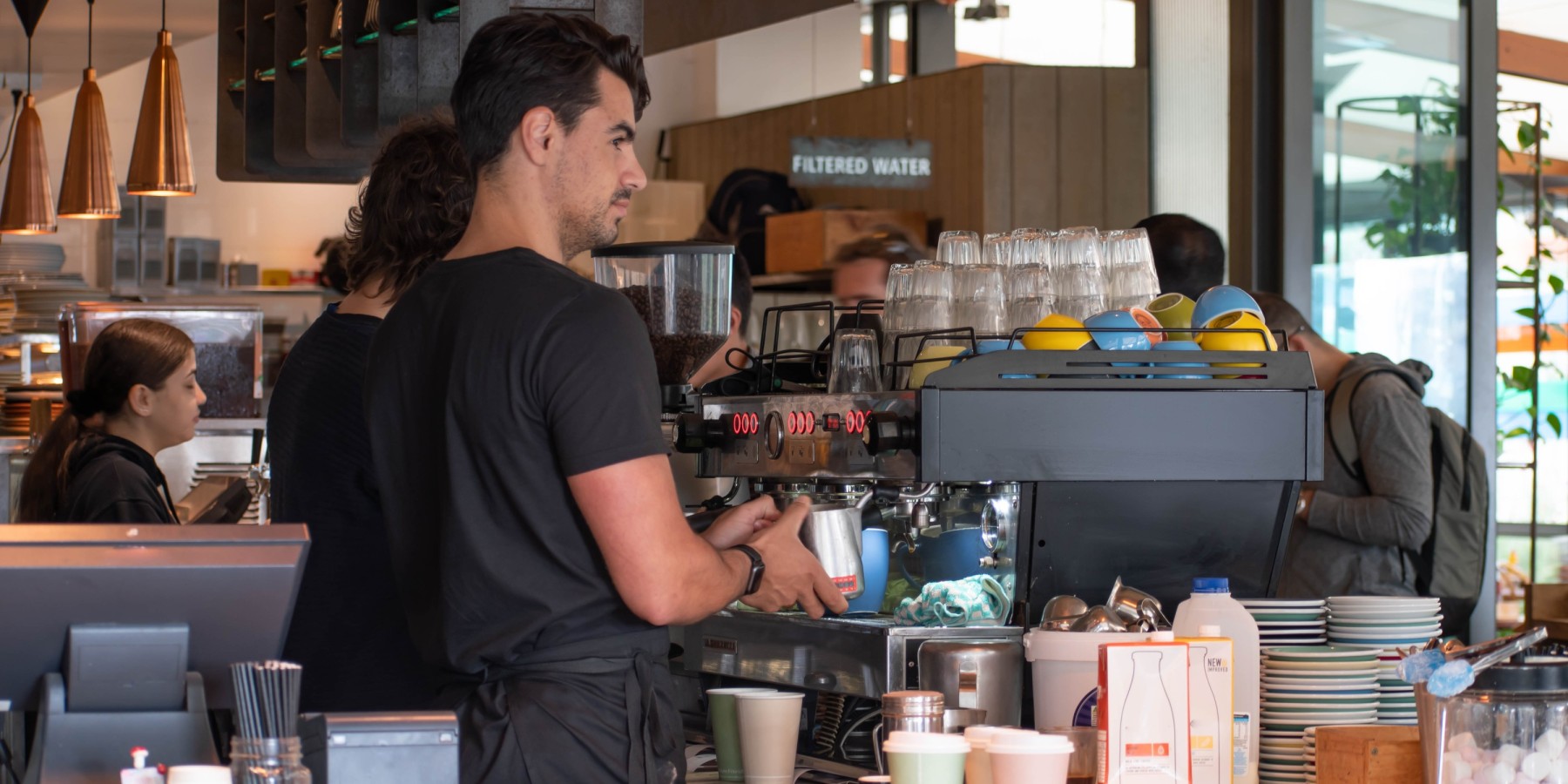
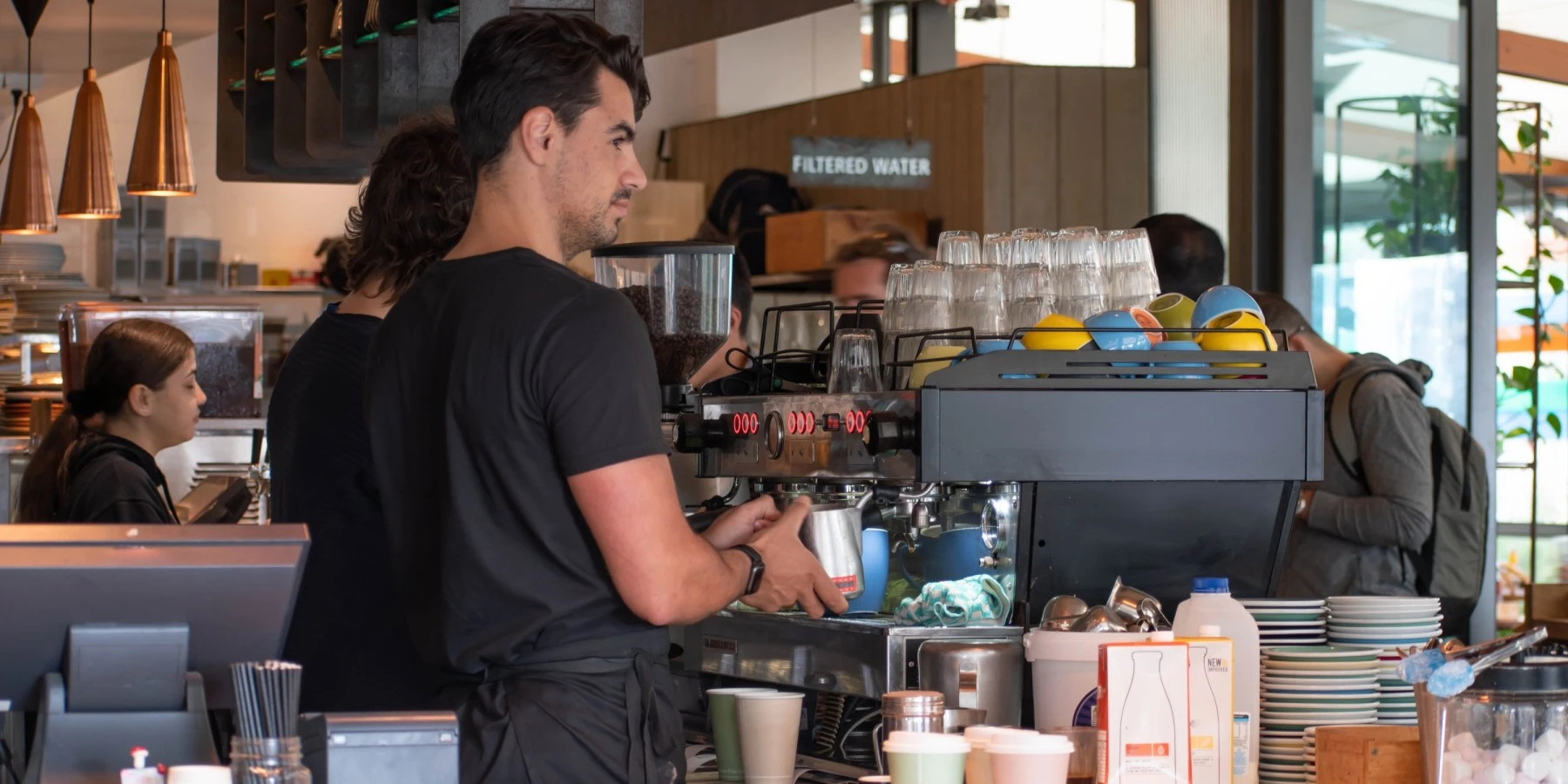
A 20+ year old mid-level waiter or waitress working full-time in the hospitality sector at a restaurant or cafe would have a base rate of AU$26.70 per hour. This translates to a public holiday rate of AU$60.08 per hour with a minimum pay of 4 hours.
Who is entitled to public holiday rates in Australia?
Public holidays are part of the National Employment Standards (NES), which apply to all employees. This is regardless of the award type the employee is working under or any contracts or employment agreements that may be in place.
Are shops and restaurants open on public holidays?
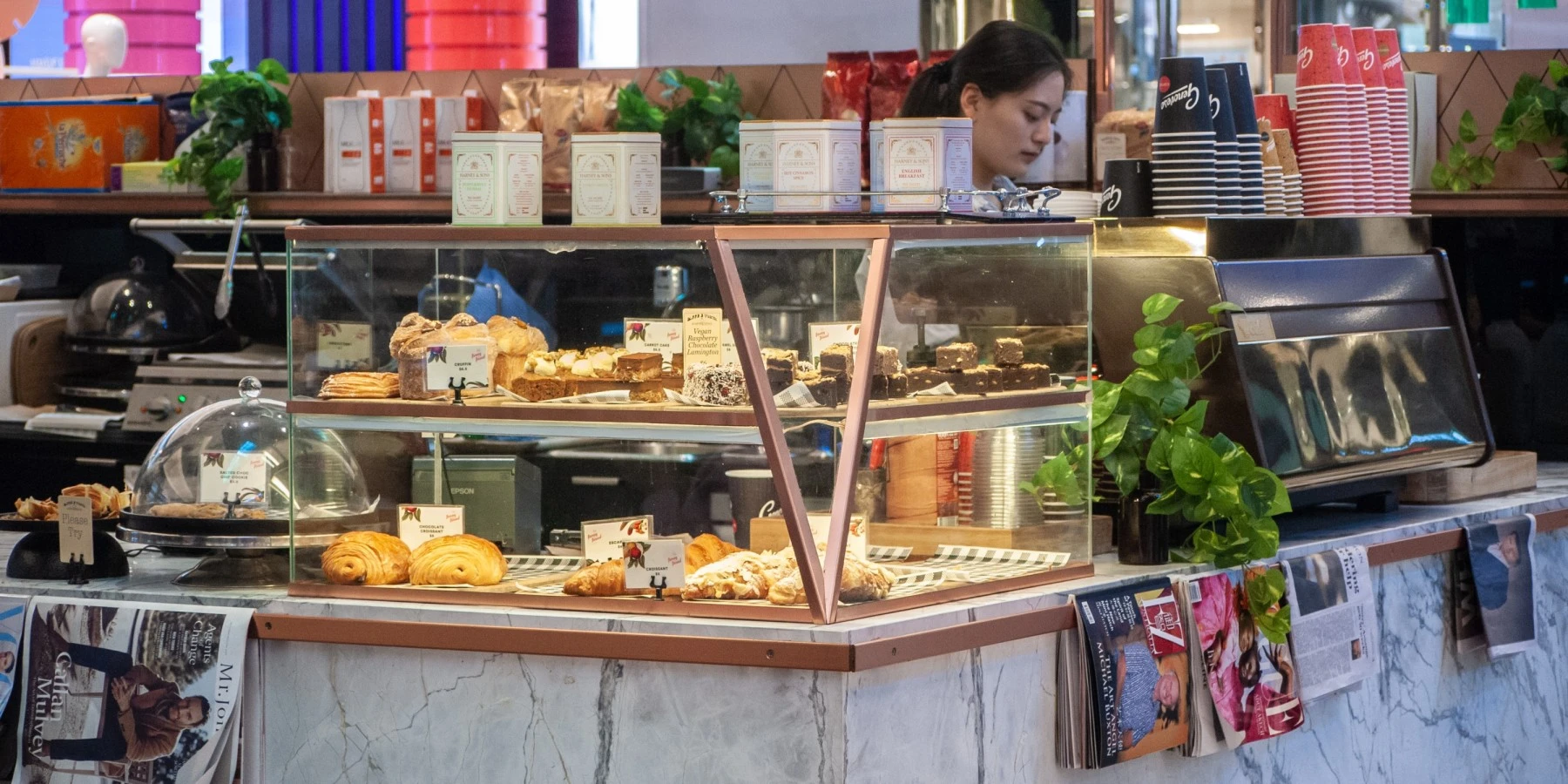
Rules and regulations around retail and restaurant trading vary from state to state.
There are some public holidays where shops can remain open and some where there are restrictions. Certain small or independent food outlets have permission to trade on public holidays, while others do not.
There are also strict rules around alcohol sales and gambling in certain states on particular public holidays.
Alcohol sales on Good Friday
Good Friday comes with some of the stricter rules and regulations of all of the Australian public holidays.
- In Queensland, Liquor sales are prohibited unless purchased to accompany a meal.
- In NSW, takeaway alcohol sales are banned, and licensed venues can only serve between 12 pm and 10 pm.
- Takeaway bottle shops are closed on Good Friday across WA, but licensed venues can serve drinks with a meal between noon and 10 pm.
- The NT allows liquor sales between 11 am and 9 pm, with a full meal, but no takeaway alcohol is permitted.
Regardless of the rules across different public holidays, most outlets will shut for major public holidays, including Easter and Christmas.
Moving on a public holiday
A public holiday might seem like a convenient time to move, especially if you’re off work and have extra time to get organised. But before locking anything in, it’s worth checking whether your building allows moves on public holidays, whether lift access needs to be booked, and whether your moving team charges public holiday rates.
If you’re planning a move over a long weekend or holiday period, Upmove makes it quick and easy to book professional removalists across Australia. That way, you can find a team that suits your timing, budget and moving needs without the last-minute scramble.